Selling a Story: Why the ‘Storyboard’ Strategy is Your Key to Stock Photography Success
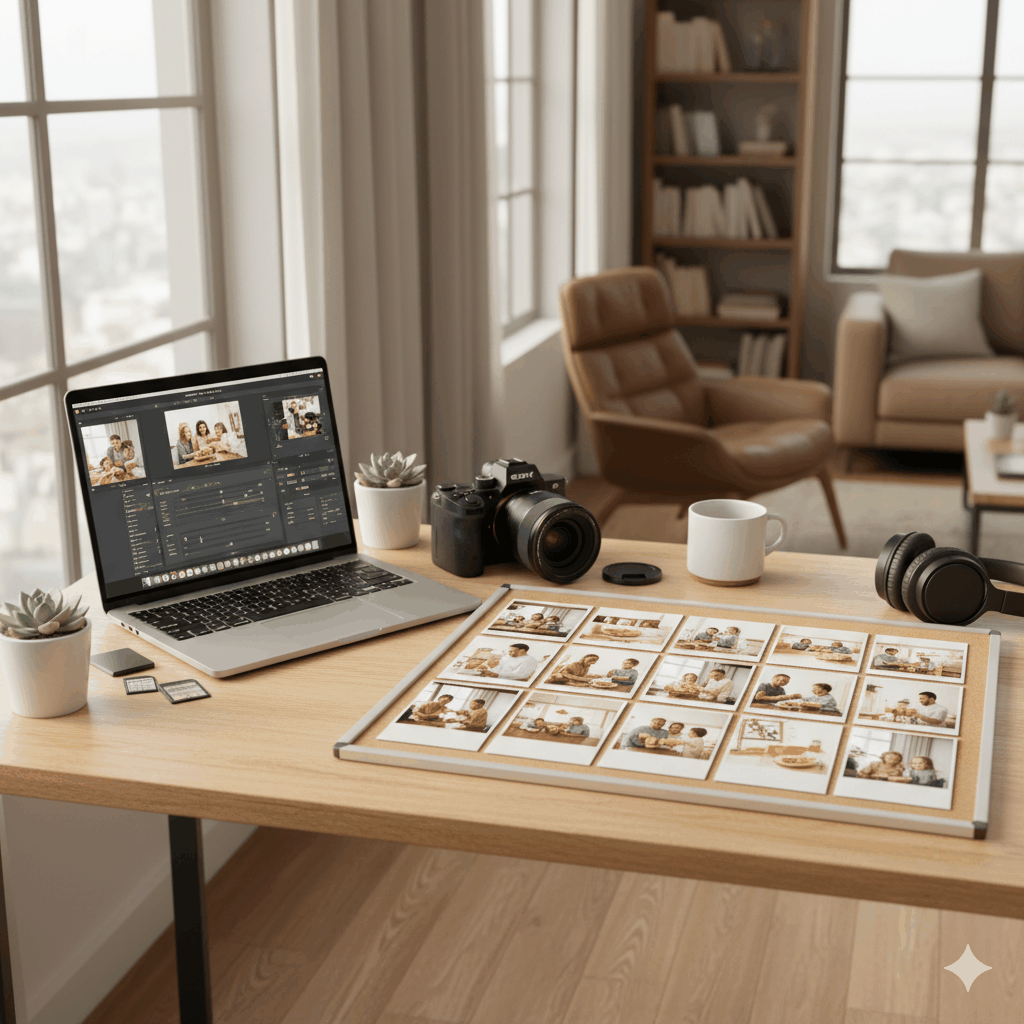
In the fast-paced world of digital media, the demand for high-quality, authentic visual content is exploding. For stock photographers, this presents a massive opportunity. But with the rise of AI-generated imagery and increasingly sophisticated buyers, simply uploading a collection of random, high-quality photos is no longer enough. To truly succeed, you need to sell more than just a picture; you need to sell a story.
This is where the Storyboard Strategy comes in. It’s a powerful approach that will not only help you stand out in a crowded market but also dramatically increase your revenue potential.
The State of the Stock Photography Market in 2025
The global stock photography market is booming. Valued at over $4 billion in 2024, it’s projected to more than double by 2033. This growth is fueled by the ever-increasing need for visual content in digital advertising, social media, and e-commerce.
But what are buyers actually looking for? While categories like "Graphic Resources" (abstract backgrounds, textures, etc.) make up a large volume of downloads, it's "Lifestyle Photography" that has become one of the most commercially powerful categories.
This is because modern brands are all about building connections with their audience. They need images that are:
- Authentic and Relatable: Buyers are overwhelmingly looking for "candid/unfiltered shots" and "real-life scenarios." They want to see real people in authentic situations.
- Inclusive and Diverse: There is a huge demand for images that represent a wide range of demographics.
- Narrative-Driven: Brands want to tell stories with their visuals. They need a series of images that can create a cohesive narrative across their marketing campaigns.
This is where the Storyboard Strategy becomes so powerful. By creating a series of images from a single shoot that tell a coherent story, you are providing a product that is perfectly aligned with the needs of the modern market.
The Problem with "One-Off" Stock Photos

Many photographers focus on creating single, "perfect" stock photos. While these can certainly sell, relying on this approach has some major drawbacks:
- Brand Inconsistency: When a brand uses a collection of images from different photographers, with different models and styles, it creates a fragmented and unprofessional look.
- Overused Images: The most popular individual stock photos are often overused, appearing on hundreds or even thousands of different websites. This can make a brand’s message feel generic and unoriginal.
- Missed Opportunities: By only selling single images, you are missing out on the opportunity to sell an entire series of photos to a single buyer.
The Storyboard Strategy solves all of these problems by providing a cohesive, narrative-driven series of images that can be used to create a consistent and professional-looking brand campaign.
How to Create a Profitable Photo Series: The Storyboard Blueprint
Ready to start implementing the Storyboard Strategy? Here’s a step-by-step guide to creating a high-value photo series that will sell:
Phase 1: Pre-Production
- Research & Niche Selection: Identify a high-demand, low-saturation theme based on current market trends (e.g., remote work, mental wellness, sustainable living).
- Narrative & Shot List: Develop a clear story concept and create a detailed shot list with a variety of shots (wide, medium, tight; horizontal, vertical).
- Location & Styling: Scout a location with multiple backdrops and plan a consistent, timeless wardrobe with no visible logos.
- Casting & Releases: Cast models that fit your concept and secure signed model releases before the shoot.
Phase 2: Production

- Maintain Consistent Lighting: Use a consistent lighting setup to ensure a uniform mood and color profile.
- Capture Varied Interactions: Direct your models through a range of genuine emotions and candid interactions.
- Shoot for Negative Space: Deliberately compose multiple shots with ample copy space for designers to add text or graphics.
- Vary Angles & Perspectives: For each key scene, capture shots from different angles and perspectives to offer buyers maximum choice.
Phase 3: Post-Production
- Apply Consistent Editing: Use a uniform editing style and color grade across all selected images.
- Curate Ruthlessly: Select only the most distinct, high-quality, and commercially viable images from the shoot (aim for 15-25 images per series).
- Optimize Metadata: Develop a master keyword list with core (shared) and variable (unique) keywords. Write unique, descriptive titles for each image.
- Stagger Submissions: Upload your series to stock platforms over several days to avoid "similar content" flags.
- Create Public Collections: Once approved, group all images from the series into a public-facing "Collection" with a descriptive, searchable title.
The Future is Narrative: Why the Storyboard Strategy is Your Key to Long-Term Success
The rise of AI-generated imagery is changing the stock photography landscape. While AI can create technically perfect single images, it struggles to replicate the genuine emotion, nuanced interactions, and narrative depth of a well-executed photo series.
This is why the Storyboard Strategy is not just a trend; it's a future-proofing strategy for your business. By focusing on creating authentic, narrative-driven content, you are providing a product that AI cannot easily replicate.
So, if you want to thrive in the stock photography market of 2025 and beyond, stop thinking in terms of single images and start thinking in terms of stories. Your bottom line will thank you for it.